

Recent setbacks to the woke agenda make it appear that Christianity is making a comeback in America.
People are talking more openly about their faith, godless laws and policies are being rolled back, and Christian values are being espoused by men of power in both business and government.
Though these developments are positive, they do nothing to reverse the decades-long death spiral of American churches.
Today, we face the same dark future we did before our social and political winds began to change.


Early Access Note: At launch, long-form essays are available in full; future essays will be reserved for paid subscribers, who will also receive the full audio edition and printable PDF.
Without true, biblical restoration, the church will continue to shrink, lose its spiritual power, and fade into cultural irrelevance, as it has already across much of the Western world.
The question is how to bring about this restoration: How do we transform dysfunctional, disobedient churches into vibrant, fruit-bearing bodies of Christ?
Premium Resources for Paid Subscribers
Voiceover of Full Essay (via Podcast)
Printable PDF (download below)

Elusive Answers
For more than half a century, pastoral leaders have wrestled with this question and, despite sincere effort, have found little success in answering it.
Having been involved in the church revitalization movement for nearly two decades, I believe I understand the source of these frustrations.
Reform measures do not work because they are not ultimately based on the Bible.
American pastors overlook the spiritual root causes of congregational decline and instead pursue managerial and programmatic fixes.
Rather than using the Word of God to diagnose problems and prescribe solutions, they look to “programs” or “movements” to supply the life-giving spark churches lack.
This approach was doomed from the start, as our ever-growing list of failed revitalization models, initiatives, and workshops attests.
The answer is to see this entire situation through a biblical lens.
From analyzing problems to developing remedies to implementing changes to evaluating success—the whole process of revitalization must be viewed through and governed by biblical truth.
Only then will we have a real chance of reviving our churches.
Reform measures do not work because they are not ultimately based on the Bible.
A Biblical Case Study: Nehemiah
The principles necessary for restoring churches are woven throughout Scripture. Yet some books present those principles with unusual clarity and are therefore worthy of focused attention. Nehemiah stands among them.
I encountered Nehemiah during my first full-time pastorate. Fresh out of seminary, I began implementing the recommendations of the revitalization experts I had studied in my coursework.
I quickly learned how insufficient their strategies truly were.
Instead of encountering a willing people and immediate success, as they suggested I would, I met only resistance, apathy, and failure.
During that season, the Lord led me to Nehemiah, and I have been a student of his work ever since.
In this series of essays, I will draw from those years of study to share the revitalization lessons Nehemiah offers.
What can rebuilding a wall around an ancient city teach us about rebuilding modern churches? Quite a bit, as it turns out.
To that end, this four-part series addresses the following:
Essay 1 reveals how the condition of Jerusalem in Nehemiah’s time illustrates the condition of the American church
Essay 2 sets forth the central biblical strategy for long-term rebuilding success: restored obedience
Essay 3 examines internal resistance to revitalization and how to overcome it
Essay 4 exposes two impostors that distort the work of restoration: success and failure
In this essay:
Let us begin by considering how the condition of Jerusalem during Nehemiah’s time illustrates the condition of the kingdom of God in America today.
The Nehemiah Situation
Before allowing Nehemiah to shed light on the condition of American churches, we must first understand the historical context of his ministry.
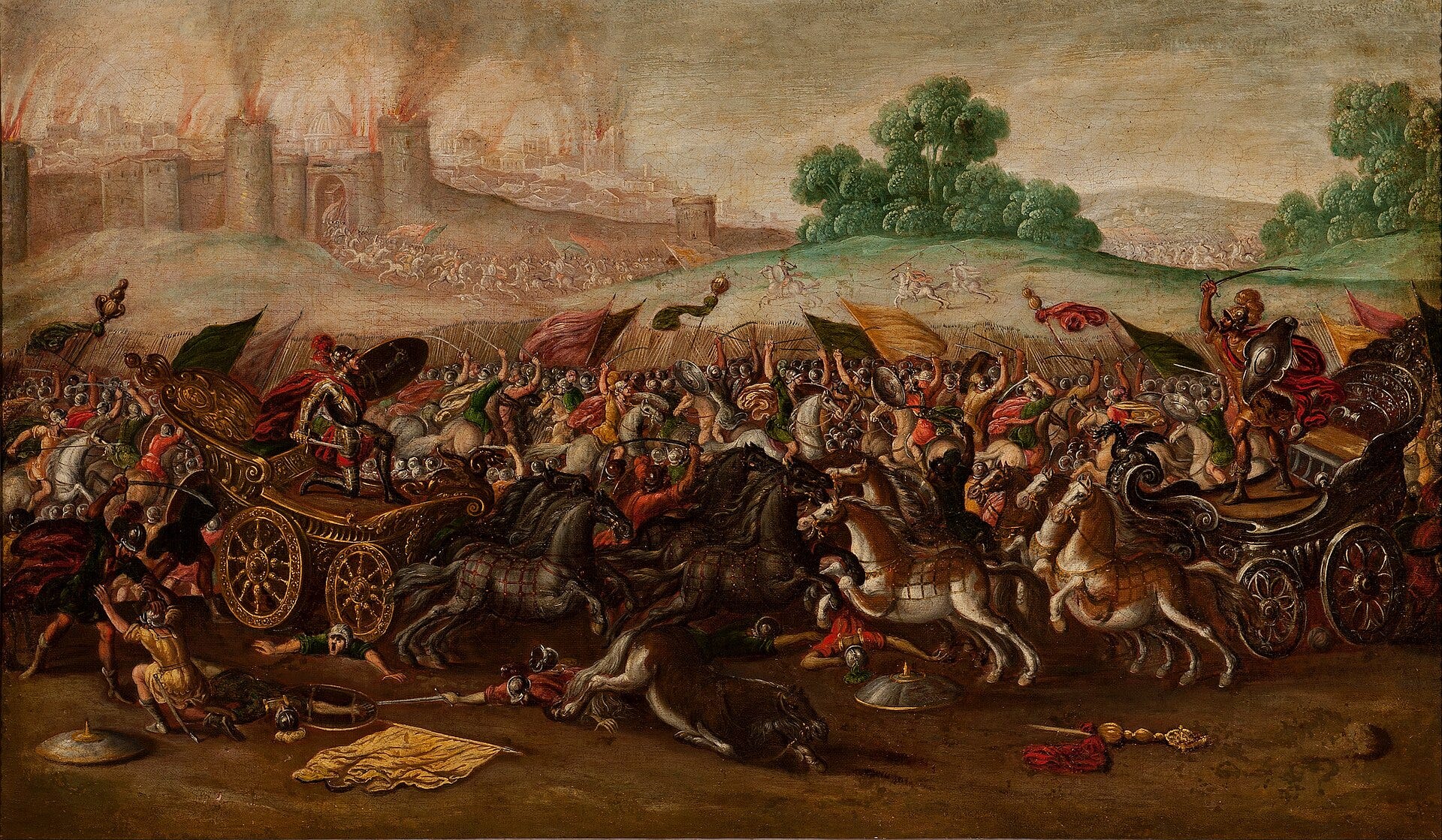
In 586 BC, the Southern Kingdom—Judah and its capital, Jerusalem—was conquered by Nebuchadnezzar, king of Babylon.
This conquest culminated in a final siege of Jerusalem, the burning of the temple, the royal palace, and municipal buildings, and the systematic dismantling of the city’s walls (2 Kings 25:8–10; Jeremiah 52:12–14).
Several years earlier, following an initial Babylonian siege in 597, Nebuchadnezzar deported as many as thirty thousand of Judah’s elite, including royalty, military leaders, craftsmen, and artisans, to Babylon (2 Kings 24:14-16).1
After the final siege of 586, he completed the work of exile by carrying away “the rest of the people who remained in the city,” leaving only the poorest citizens behind (25:11-12).
Following Babylon’s defeat by the Persians in 539, successive groups of Jews began returning to Jerusalem to resettle and rebuild.
Three returns are described in Scripture:
1) Under Zerubbabel
The first and largest return occurred in 538 under Cyrus the Great (Ezra 2). Led by Zerubbabel, roughly 150,000 Jews made the long journey from Babylonian territory back to Jerusalem.2
This group succeeded in rebuilding the altar and, eventually, the temple, but the city wall remained in ruins (Ezra 3–6).
2) Under Ezra the Priest
A second return took place in 458, when Ezra the priest led approximately 1,700 men, along with their households, from Babylon to Jerusalem (Ezra 7–8:14).
Unlike the earlier return under Zerubbabel, Ezra’s mission was marked not by physical reconstruction but by spiritual renewal.
His efforts centered on teaching the Law and reestablishing covenant faithfulness among the people (Ezra 8:15–10).
3) By Nehemiah
The final return occurred in 445, when Nehemiah came to Jerusalem and led the people in rebuilding the city wall.
After learning of Jerusalem’s condition and the distress of its inhabitants, Nehemiah, a high-ranking court official, sought permission from Artaxerxes I to leave the Persian court, travel to Jerusalem, and complete the rebuilding effort (Nehemiah 1:1–3; 2:1–5).
The king granted his request, provided materials for the work, and sent Nehemiah to Jerusalem with a military escort (2:7–9).
The remainder of the book records Nehemiah’s experiences there, including the resistance he faced, the obstacles he overcame, and the successes and failures that attended his efforts.
The Brokenness of the Kingdom
Having established the historical context of Nehemiah’s work, we can now consider how his situation illuminates our own.
The condition of Jerusalem and its people at the time of Nehemiah’s return provides a sobering lens through which to assess the state of our churches today.
Discussions of kingdom deterioration typically rely on statistics, like falling attendance, shrinking membership, and rising rates of church closure. Such data is useful for quantifying our decline and underscoring its seriousness.
I rely on these measures many times myself. But here I want to take a different approach.
Rather than rehearsing familiar metrics, I will use Nehemiah’s own descriptions of the city and its people to draw parallels to the present condition of the church.
This more descriptive analysis will put flesh on the statistical bones with which we are so familiar and provide insight into the human consequences of kingdom decline.
Many parallels could be drawn, but this essay will focus on three in particular:
Walls broken down and gates burned with fire (Nehemiah 1:3)
Tobiah in the Temple (Nehemiah 13:4-9)
The oppression of fellow Israelites (Nehemiah 5:1-5)
Parallel 1: Walls Broken Down and Gates Burned with Fire
The book opens with Nehemiah asking a group of Jews recently returned from Jerusalem about the condition of the people and the city. Their response was both graphic and disturbing:
The survivors who are left from the captivity in the province are there in great distress and reproach. The wall of Jerusalem is also broken down, and its gates are burned with fire (Nehemiah 1:3).
The impregnable wall David, Solomon, Hezekiah, and other great kings built3 had crumbled into a jagged sprawl of rubble, and the gates through which these same kings entered in triumph were reduced to warped iron and charred cinder.
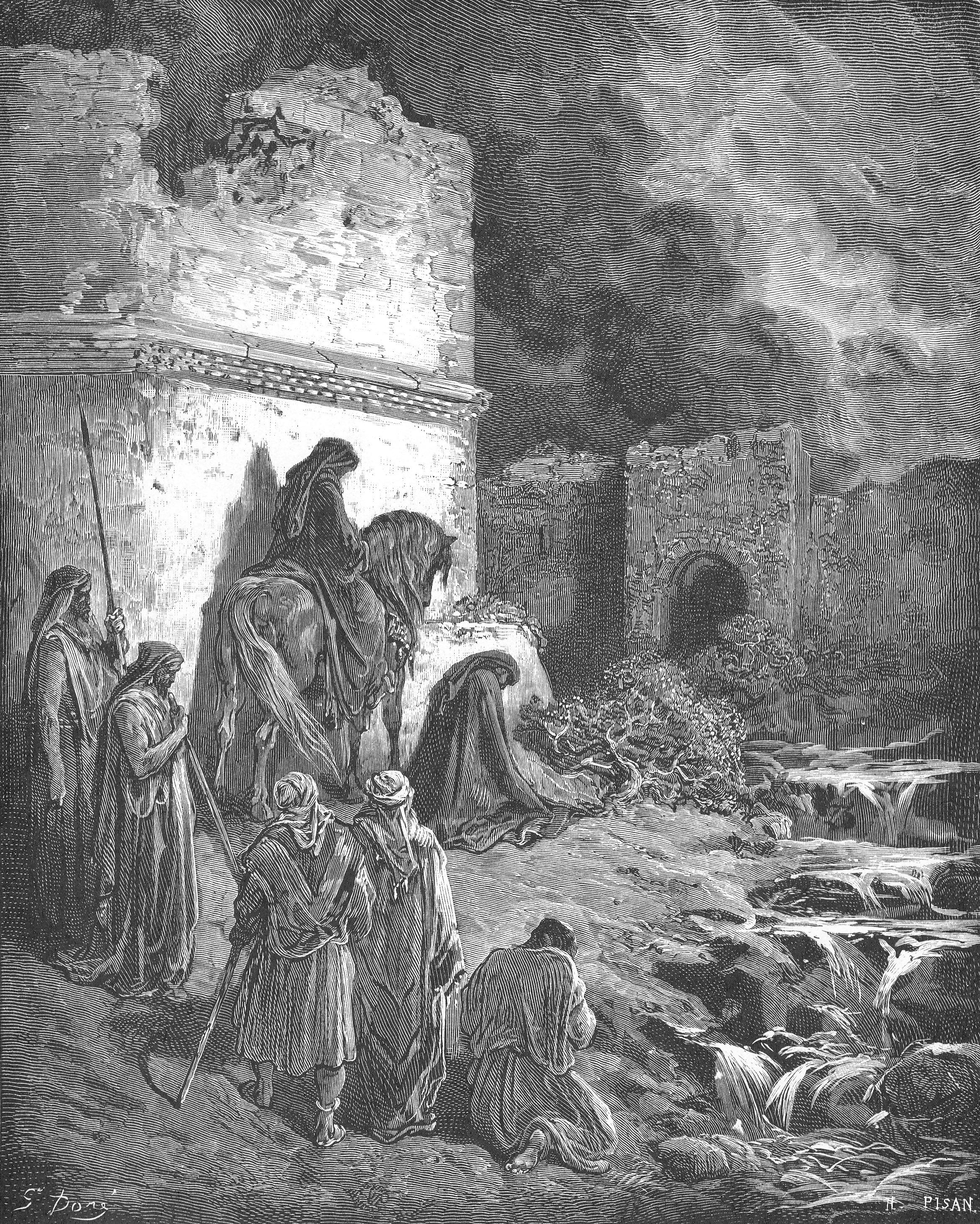
This revelation devastated Nehemiah, causing him to weep and mourn “for many days” (4).
The Function of Walls and Gates
Although walls and gates served multiple functions in the ancient world, their primary role was protection. They regulated entry into the city and kept out those who sought to do harm, most notably invading armies.
As Edwin Yamauchi observes, “The lack of a city wall meant that the people were defenseless against their enemies.”4
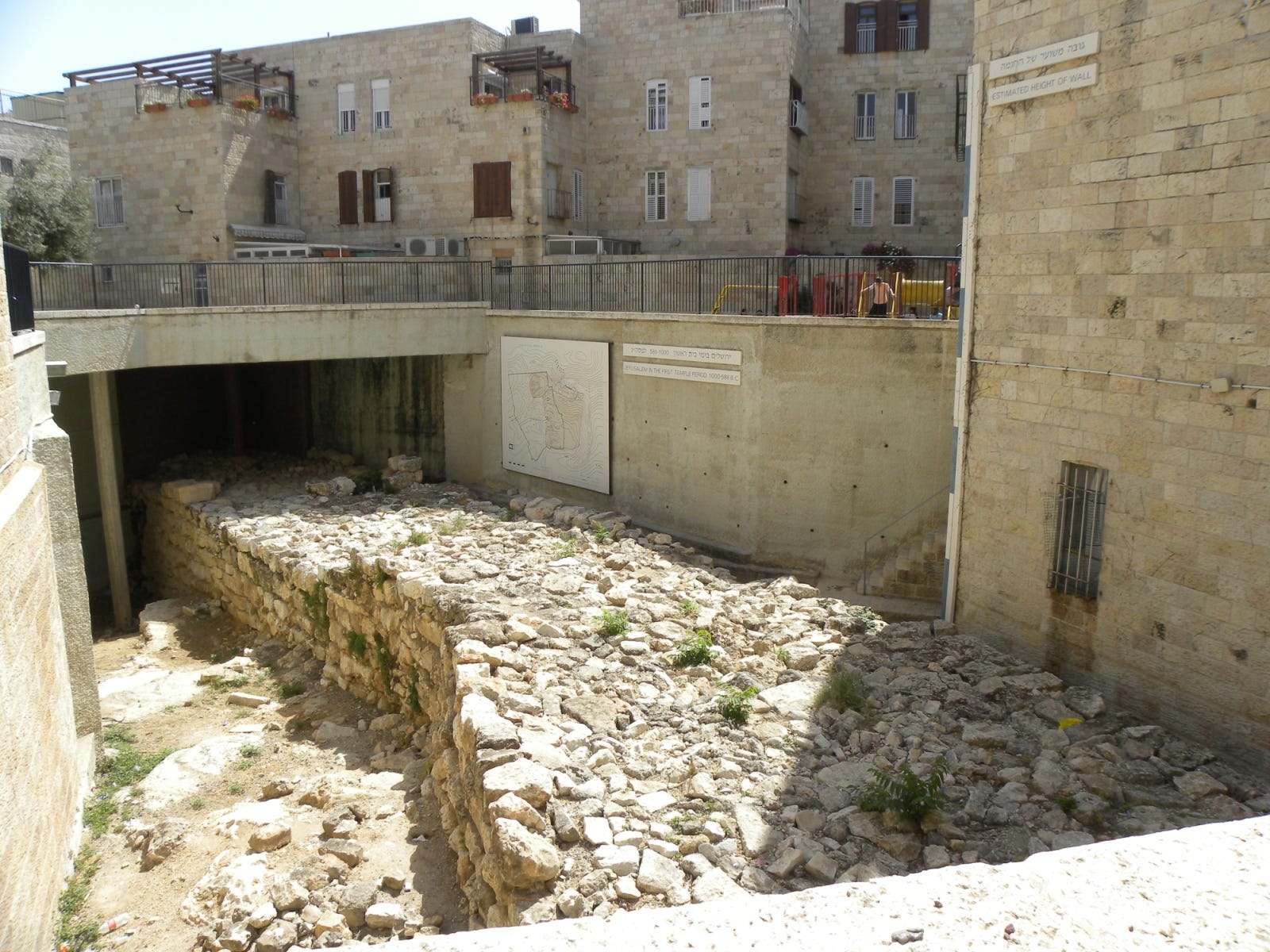
Nehemiah understood this reality and knew that such vulnerability would ensure the people’s continued oppression and prevent the restoration of the worship of Yahweh.
The Walls and Gates of the Churches
The church is not a physical city that can be secured by walls and gates. Yet she faces enemies no less real or dangerous than those that plagued ancient Jerusalem.
For this reason, Christ has provided spiritual walls and gates for her protection and preservation. One of the most important of these is the church’s power structure, commonly referred to as its polity.
Polity has to do with authority. It answers the question, “Who gets the final say?”
According to the New Testament, the final say resides not with the congregation but with a body of qualified elders.
(For more on this subject, see my essay “Church Polity 101: The Biblical Way to Organize a Church” on my main site.)
The primary benefit of biblical polity is that it prevents wicked agents from taking control of the church and destroying it.
Fleshly members, or those influenced by Satan, cannot easily gain positions of power or use church decision making processes to resist pastoral leadership, drive conflict, or derail needed changes.
Walls and Gates: Burned from the Inside
American believers have dismantled Christ’s design and replaced it with unbiblical and ruinous structures.
The New Testament knows nothing of single-pastor churches, parliamentary procedures, congregational voting, or corporate-style church boards. Yet we have embraced all of these and more.
You do not need to read a list of dire statistics to recognize the harm this alteration has produced.
Think about your own experience in the church. How many fights have you seen? How many nasty business meetings have you attended? How many friends have been driven away by conflict?
What I want you to see is that polity is at the bottom of all of this. It is the means by which Satan brings about the destruction you and countless others have endured.
And it is all possible because we have torn down our own walls and burned down our own gates.
The primary benefit of biblical polity is that it prevents wicked agents from taking control of the church and destroying it.
Parallel 2: Tobiahs in the Temple
Nehemiah’s initial return was an overwhelming success. In short order, he rebuilt the wall, reaffirmed the covenant of the Law, and restored temple worship.
After twelve years of labor, undoubtedly confident that true spiritual order had been reestablished, he returned to Babylon to continue his royal duties (13:6).
While he was away, the unthinkable occurred.
A Temple Office for an Idolater
During his earlier work, one of Nehemiah’s most aggressive adversaries was Tobiah the Ammonite.
Ammonites had long been the enemies and oppressors of the Jews. Because of their refusal to aid Israel after the Exodus and their hiring of Balaam to curse them during the wilderness journey, they were forbidden from entering the assembly of the Lord forever (Deuteronomy 23:3-4; see also Numbers 22).
In spite of this, Eliashib the high priest not only allowed Tobiah into the city but gave him an office in the temple itself. Nehemiah 13:4-5 reveals this stunning turn of events:
[Eliashib] had prepared for [Tobiah] a large room, where previously they had stored the grain offerings, the frankincense, the articles, the tithes of grain, the new wine and oil.
The implication was clear: Tobiah, the pagan idol worshiper and sworn enemy of God’s people, now had a prominent place in the religious life of the Israelites.
The proverbial fox was square in the middle of the henhouse.
Foxes in the Christian Henhouse
The kingdom of God today is full of Tobiahs, men and women who take central roles in the church but, in reality, serve Satan and are instruments of destruction.
Jesus called them “ravenous wolves” in Matthew 7:15, and Paul called them “savage wolves” in Acts 20:29. And like wolves, they often travel in packs.
A Wolf in Action
At my last church, the ringleader of the wolfpack was a man named Doug. He was 81 years old, a skinny little fellow who came across as a wise, gentle man. He was anything but.
He was the head of the search committee that interviewed me and spent hours convincing the people to vote to call me as pastor. A few months after I got there, he turned against me, quietly working behind the scenes to get me fired.
Eventually, he went before the whole church, claimed I had a “world domination plan,” and that I was in the ministry for the money.
Within a year, I was gone, the church was without a pastor once again, and the people were left under the leadership of a ravenous wolf and his pack.
Wolves Everywhere
Many readers have encountered men like Doug during their time in the church and can recount, often through tears, the pain and devastation they inflicted on everyone around them.
Tragically, such men are not confined to isolated places or moments; they have inflicted the same devastation countless times over the past fifty years.
The kingdom of God today is full of Tobiahs, men and women who take central roles in the church but, in reality, serve Satan and are instruments of destruction.
Parallel 3: The Oppression of Fellow Believers
Consider one last parallel between Nehemiah’s situation and ours. After the rebuilding effort was well underway, a problem arose among the people.
A famine had taken hold of the land, and the poor were starving. To buy food, they were forced to borrow from the wealthier Jews, mortgaging their lands, vineyards, and homes in the process.
When they were unable to repay, the wealthy Jews forced them to sell their children as slaves (Nehemiah 5:1-5).
Of course, this practice enraged Nehemiah, and he brought it to a swift end, forcing the wealthy to return the children, property, and money they had taken from their poor brethren (5:6-12).
The Oppression of Kinsmen Not Uncommon
Apparently, this practice was not a one-off sort of thing. The Lord addressed it in Ezekiel 34:20-22, as well. There he refers to the oppressors as the “fat sheep” and the oppressed as the “lean sheep”:
Behold, I Myself will judge between the fat and the lean sheep.
Because you have pushed with side and shoulder, butted all the weak ones with your horns, and scattered them abroad,
Therefore I will save My flock, and they shall no longer be a prey; and I will judge between sheep and sheep.
The strong sheep had pushed the weaker ones around, injured them, and forced them out of the herd. They used their power to harm their own.
This is precisely what we see in churches today.
Believers Abusing Believers
Because of the lack of biblical leadership and authority structure, powerful people can use church resources, systems, and processes to take advantage of weaker members, persecute them, and push them out of the church.
This is accomplished in many ways. Let me go back to my experience with Doug to give you one example.
Helping Some, Ignoring Others
Doug’s older brother Jack was the man everyone went to in the church, a founding member who had been there for decades.
It did not take long to realize that Jack had his favorites. There were a couple of women in the church who never lacked support; he funneled church funds to them readily.
At the same time, other genuinely needy members were excluded. I could see their struggles, and it was clear Jack knew their situations, yet church resources never reached them.
These needy sheep of Christ were ignored by the powerful because they lacked the right connections.
This is only one example of how the strong take advantage of the weak in the modern church, and it happens with alarming frequency across the country.
Out Next Lesson from Nehemiah
Shifts in the political and social climate surrounding Christianity have not altered the underlying reality that most American churches are dying.
Reversing this will require more than the changing winds of cultural favor; it will demand a holistic, biblical approach to diagnosing problems and developing solutions.
Scripture provides the principles church leaders need to begin the work of restoration, and few books address the challenges of renewal as directly as Nehemiah.
By studying his efforts to rebuild Jerusalem’s wall, we gain insight into what it takes to rebuild modern churches.
This essay, the first in a four-part series, has outlined the historical context of Nehemiah’s work and identified three parallels between the condition of Jerusalem in his time and the condition of churches in ours.
We have seen how biblical neglect leaves churches vulnerable through disordered polity, opens the door to spiritual predators, and enables the strong to oppress the weak.
In the next essay, we turn to the strategy that made rebuilding possible, not managerial or programmatic innovation, but restored obedience to the Word of God.
Without this, no rebuilding effort, however sincere, can endure.
NOTES:
Edwin M. Yamauchi, “Ezra–Nehemiah,” in The Expositor’s Bible Commentary, vol. 4, ed. Frank E. Gaebelein (Grand Rapids: Zondervan, 1988), 567.
Ibid, 568.
For verses mentioning the work of kings on the wall, see 2 Samuel 5:9, 1 Kings 3:1, and 2 Chronicles 26:9, 32:5, and 33:14. To be clear, it is highly unlikely that the Jews built the original wall around Jerusalem. It is possible a wall existed during the time of Joshua, as Joshua 20 may refer to Jerusalem as a “fortified city.”
In that chapter, the king of Jerusalem, Adoni-Zedek, gathered four other kings to battle Joshua at Gibeon (the famous battle with the five kings of the Amorites when the sun stood still).
The Israelites routed their army, and verse 20 says this, “Then it happened, while Joshua and the children of Israel made an end of slaying them with a very great slaughter, till they had finished, that those who escaped entered fortified cities.”
Given the context, this may refer to the cities from which they came, including Jerusalem.
Whatever the case in the book of Joshua, 2 Samuel 5:7 reveals that David took a part of Jerusalem known as the “stronghold of Zion.”
The Hebrew word for stronghold, meṣûdāh, implies the existence of a protective wall. One source directly connected fortification with city walls:
“In biblical times, the primary fortification was the city wall, which surrounded the city on all sides. During the period preceding the Israelite conquest and settlement of Canaan (before 1200 B.C.E.), cities were surrounded by thick, solid walls. In most cases, these walls had stone foundations with mudbrick superstructures.”
(Burke, Aaron A. “Five Ways to Defend an Ancient City.” Biblical Archaeology Review, Biblical Archaeology Society,
https://www.biblicalarchaeology.org/daily/archaeology-today/biblical-archaeology-topics/biblical-archaeology-basics/bar-jr-five-ways-to-defend-an-ancient-city/. Accessed 23 Jan. 2026.)
In fact, Isaiah 25:12 uses the word in conjunction with “high walls”: “The fortress [meṣûdāh] of the high fort of your walls He will bring down, lay low, and bring to the ground, down to the dust.”
Yamauchi, “Ezra–Nehemiah,” 681.